(Vultur gryphus)
Andean Condor
Physical Description
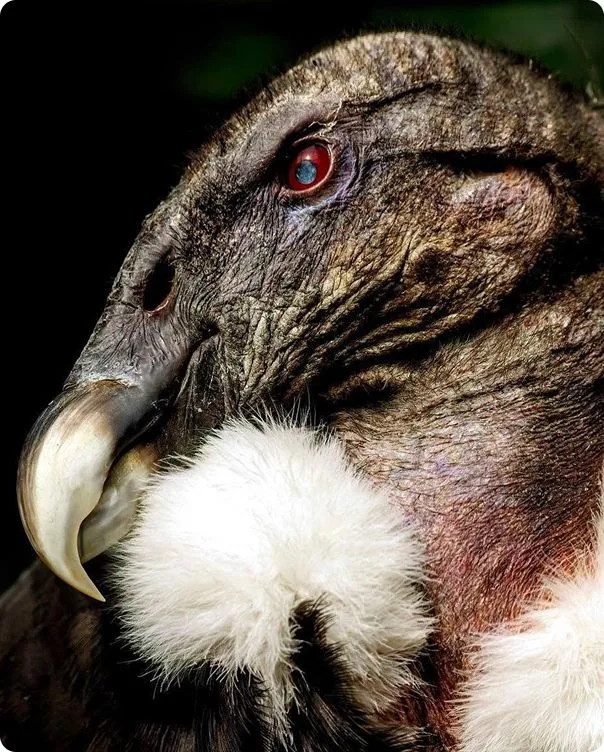
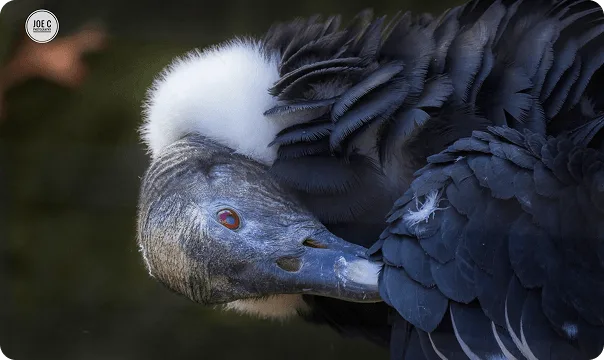
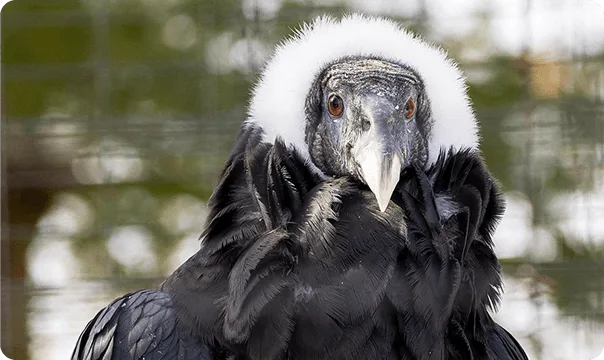
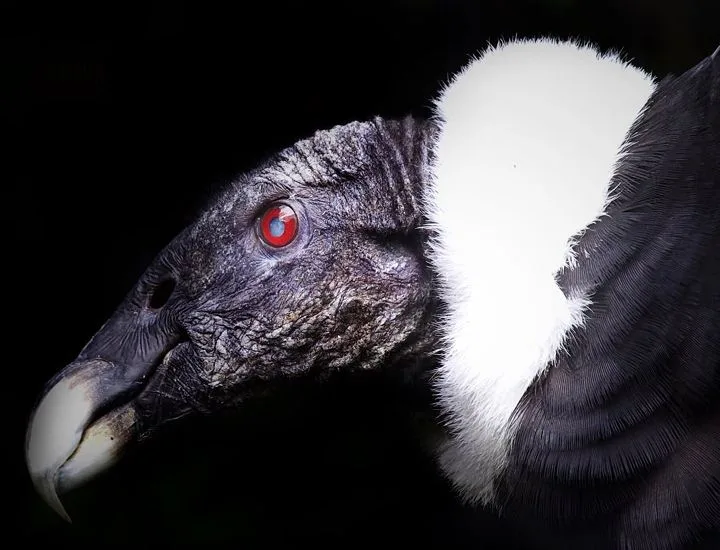
Andean Condors are among the largest birds in the world capable of flight. They can have a wingspan of up to 10 feet, grow about 4 feet long, and weigh as much as 30 pounds. Their feathers are mostly black, but males have a white collar around the neck and white markings on the wings. Males are also larger than females and have a comb on top of the head. Another easy way to tell them apart: males have yellow eyes, while females have red eyes.
Where They Live
Andean Condors live at high elevations in mountainous regions, where they use rising air currents to stay aloft with very little effort. Like their California Condor relatives, they have bald heads, which help keep them clean while feeding. Andean Condors are found along the west coast of South America, especially throughout the Andes Mountains. Their range includes countries such as Peru, Argentina, Bolivia, and others.
What They Eat
Andean Condors are primarily scavengers, feeding on carrion, or the remains of dead animals. Their diet can include mammals, fish, seals, eggs, and small birds. By cleaning up animal remains, they help maintain a healthier ecosystem.
Life & Family
Andean Condors reproduce slowly, with a breeding pair usually raising just one chick every other year. Both parents care for the chick for a full year after it hatches. Outside of nesting season, they often gather in groups to rest and sleep on rocky cliffs and high outcrops. Andean Condors can live up to 50 years in the wild and around 70 years in human care. The oldest Andean Condor in human care, Thaao, lived to just under 80 years old and lived at Connecticut’s Beardsley Zoo.
Built to Soar
Andean Condors are specially adapted for life in the mountains. Their huge wings allow them to glide for long distances on thermal air currents without using much energy. This helps them cover wide areas in search of food while spending very little time flapping.
Status
Vulnerable