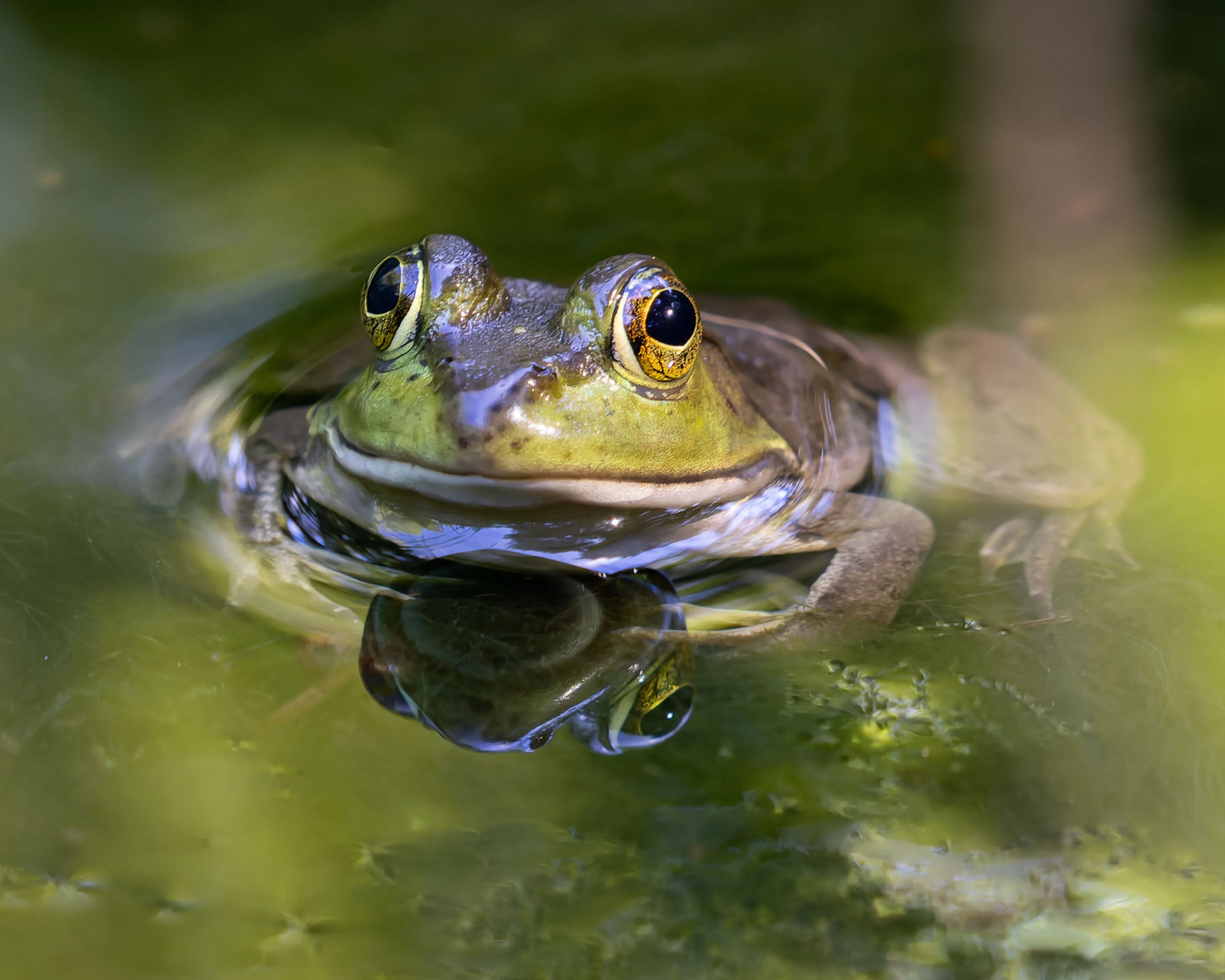
FrogWatch
Assist with surveys that monitor frog and toad populations in local wetlands.
At Beardsley Zoo, conservation is at the heart of everything we do.
Beardsley Zoo’s conservation initiatives reach local streams, national habitats, and global ecosystems. Through research, hands-on programs, and citizen science, we empower staff, volunteers, and visitors to make a measurable impact. Discover how our work safeguards wildlife and how you can contribute from home.
From waterways to forests, our staff and partners lead hands-on projects that support species and ecosystems. Explore our signature programs below.
Engaging students in raising trout and releasing them into local waterways to support healthy fish populations.
A collaboration between Fairfield University and the Zoo, RIZE is dedicated to restoring habitats and encouraging youth engagement in environmental stewardship through education and service projects.
Bringing conservation education and field experiences to schools and community groups across Connecticut.
Collaborating with the Association of Zoos and Aquariums to protect endangered species globally.
Tracking migratory patterns to better understand waterfowl behavior and conservation needs.
Restoring vital aquatic habitats to support fish, invertebrates, and overall ecosystem health through our Conservation Discovery Corps.
Monitoring populations to protect this ancient species and support coastal ecosystems through CDC and in partnership with Sacred Heart University’s Project Limulus.
Assessing freshwater mussel populations as indicators of water quality and ecosystem health through CDC.
Studying populations to inform land management and conservation strategies.
Creating wildlife-friendly spaces that support bees, butterflies, and other critical pollinators.
Together, we amplify our impact. Join Beardsley Zoo programs, citizen science projects, and volunteer initiatives to help wildlife thrive and connect with nature firsthand.
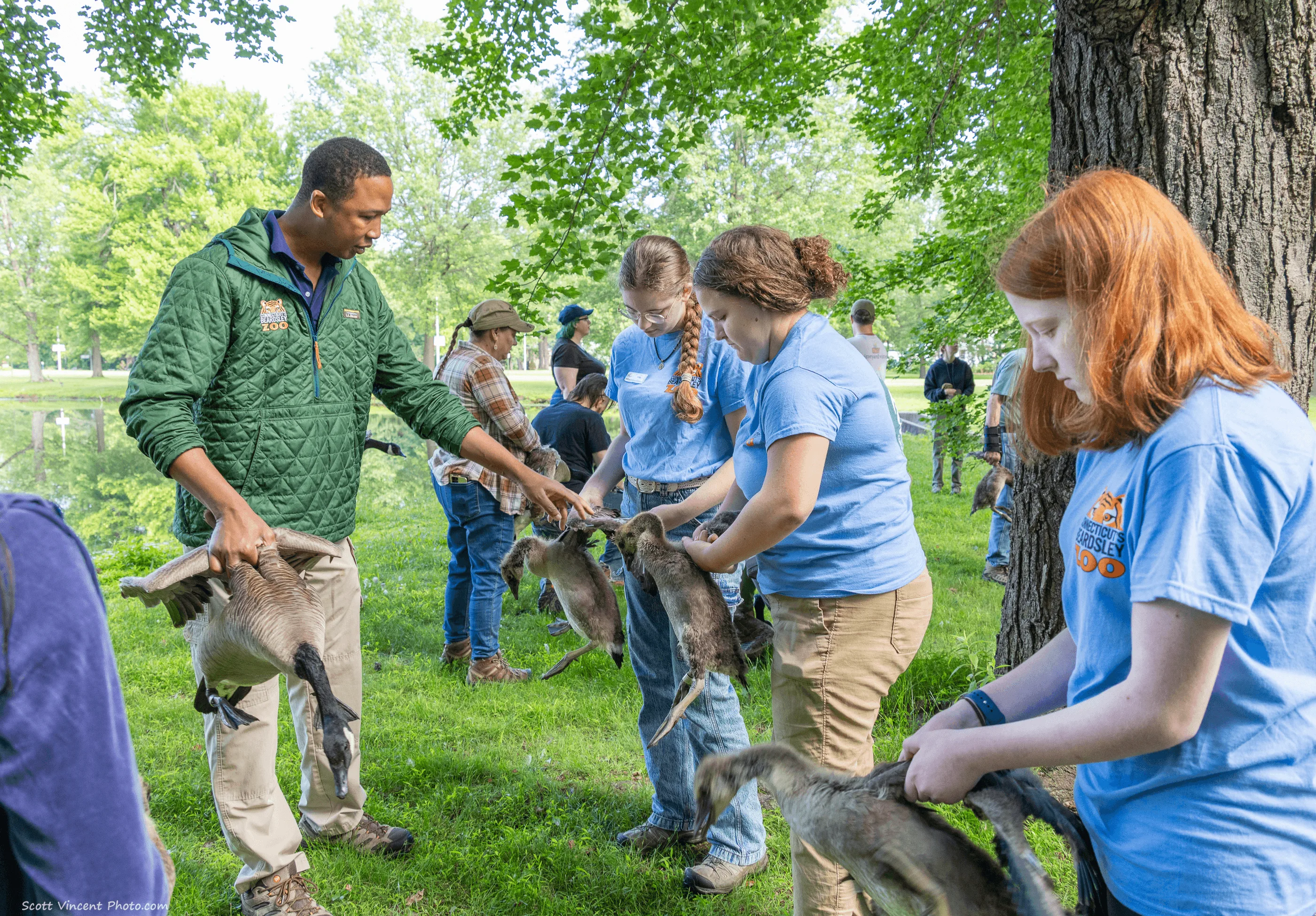
Together, we amplify our impact. Join Beardsley Zoo programs, citizen science projects, and volunteer initiatives to help wildlife thrive and connect with nature firsthand.
Assist with surveys that monitor frog and toad populations in local wetlands.
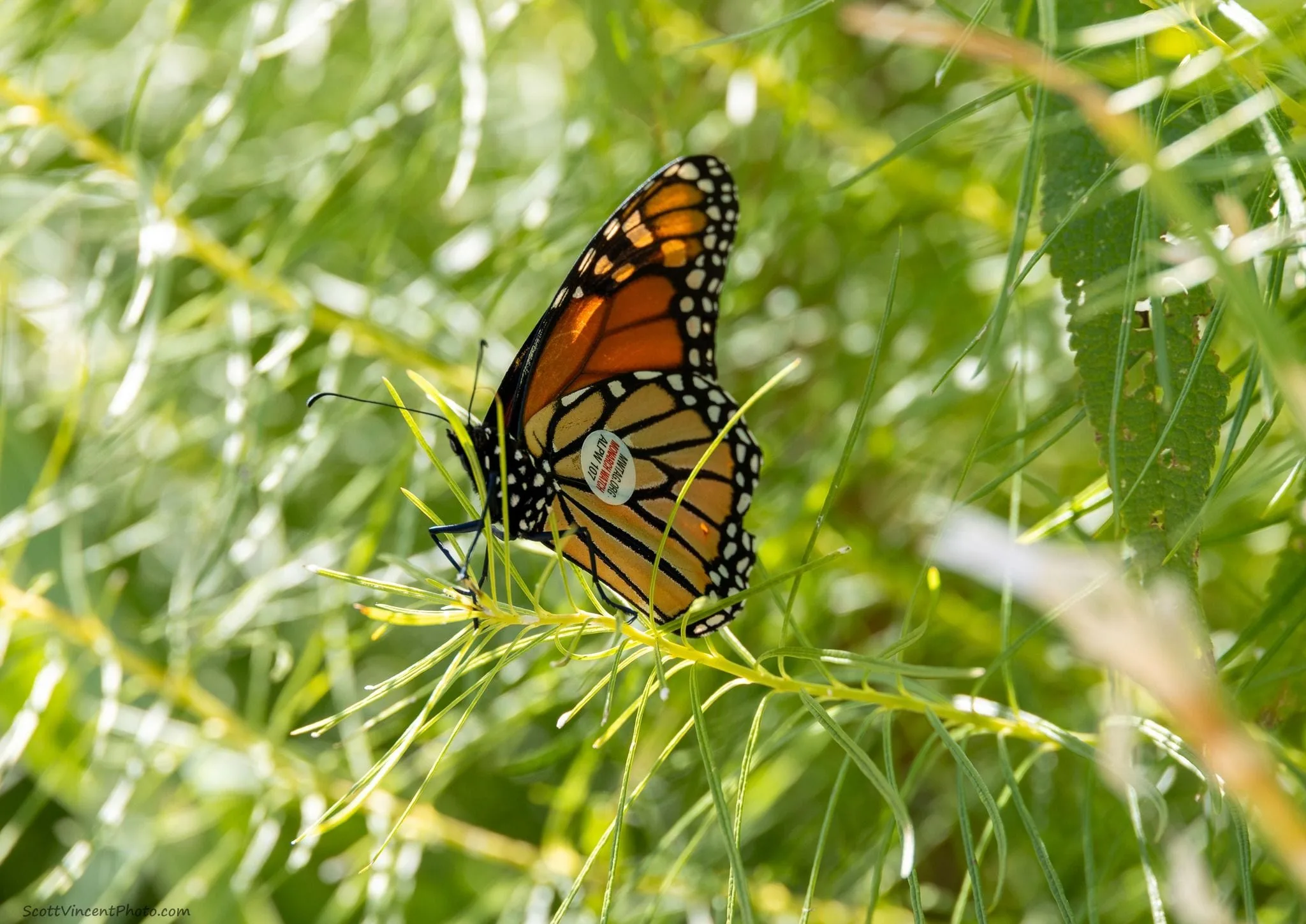
Help track and protect monarch butterfly populations through tagging and monitoring.
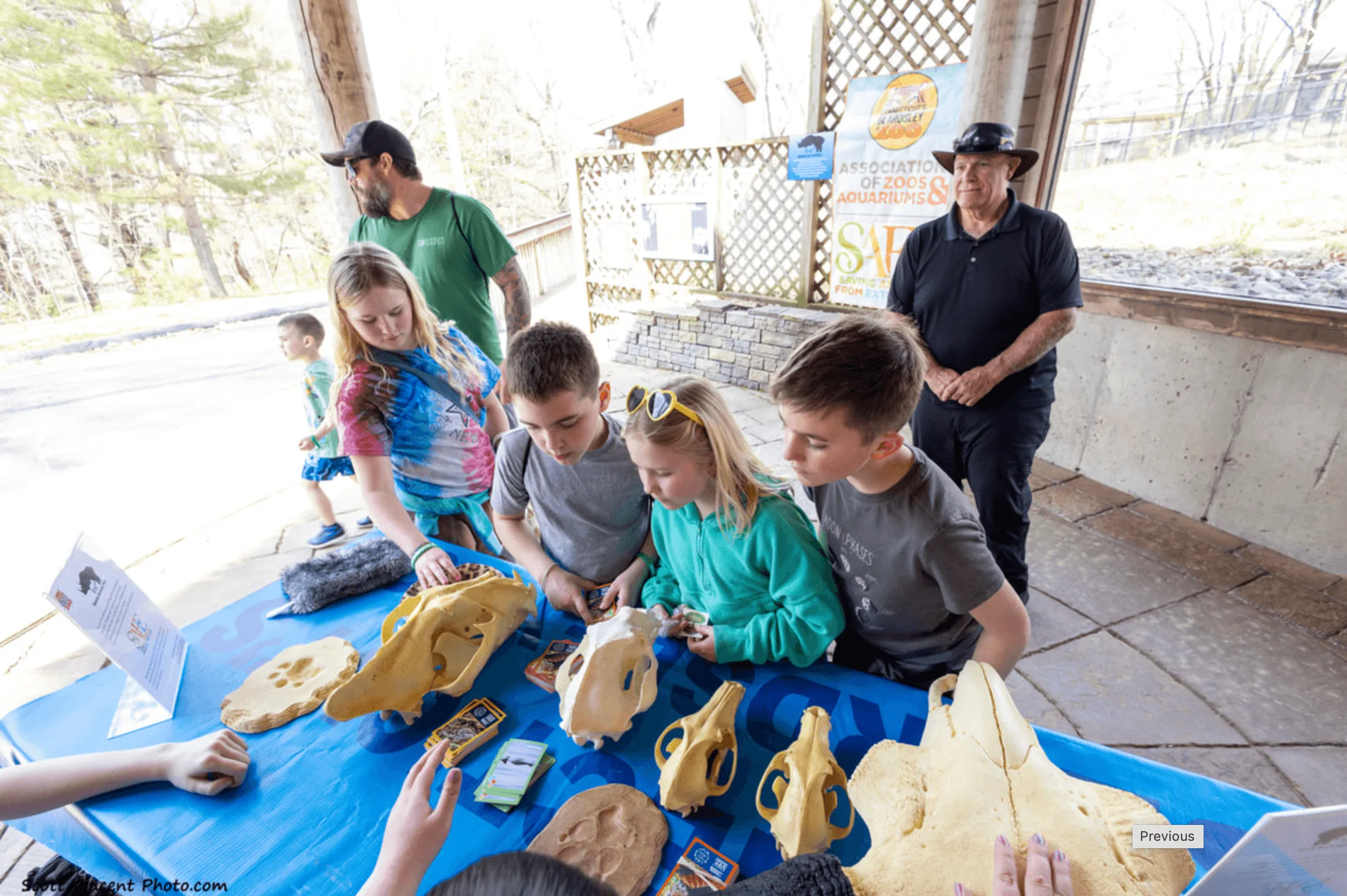
Participate in programs like Party for the Planet, seasonal wildlife counts, and other local conservation initiatives.
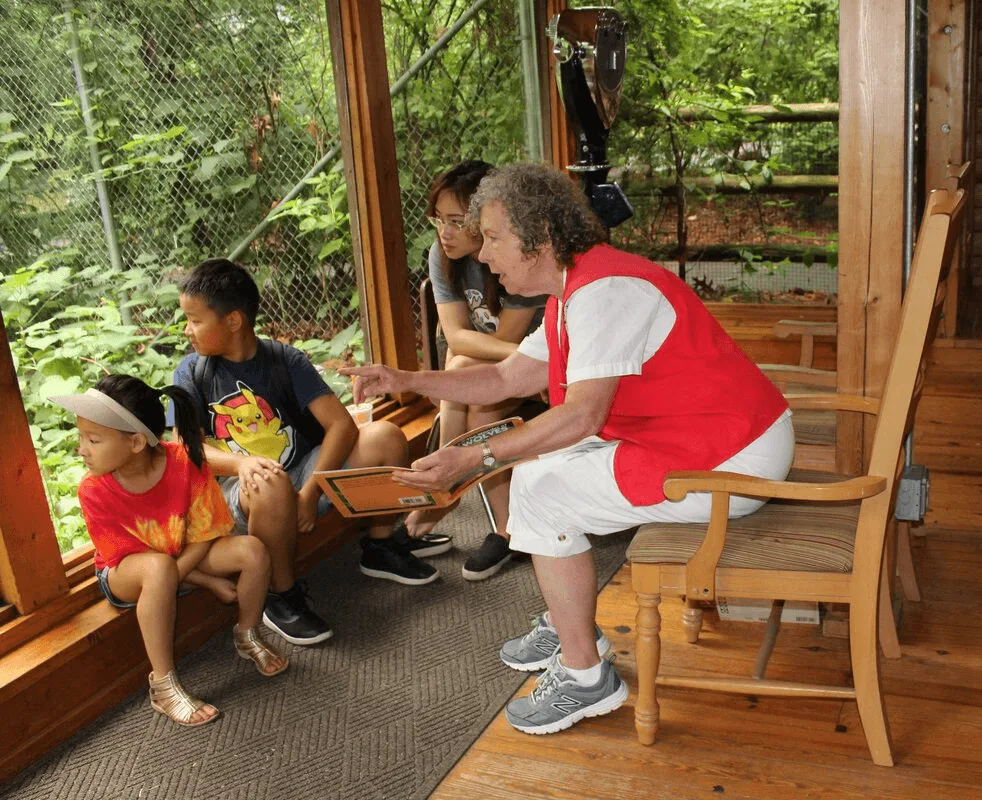
Support field programs, animal care, and educational outreach while gaining hands-on experience in conservation.
Outside the frontlines, everyday conservation actions matter. Learn simple steps to protect energy, support pollinators, and create wildlife-friendly spaces right in your backyard.
Conserve energy and water in your home
Reduce, reuse, and recycle to minimize waste
Choose sustainable food options and reduce meat consumption
Use native plants to support local pollinators
Install bird feeders, bat boxes, or bee hotels
Design wildlife-friendly landscaping and backyard habitats
Properly manage pets to protect native wildlife
Participate in local environmental advocacy and vote for conservation policies
Support sustainable businesses and products


