(Pavo cristatus)
Indian Blue Peafowl
Physical Description
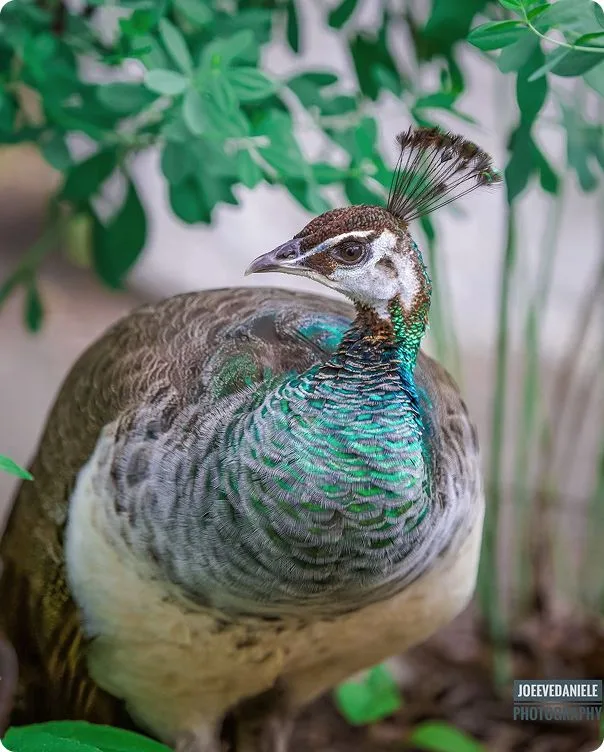
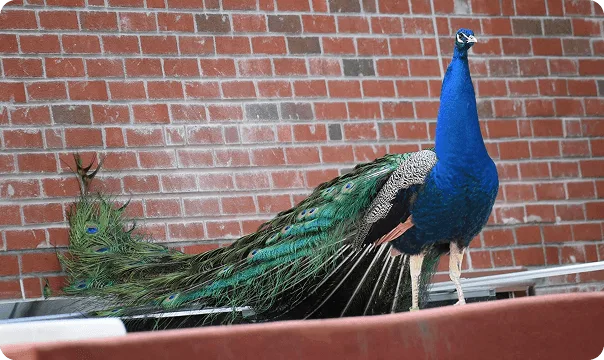
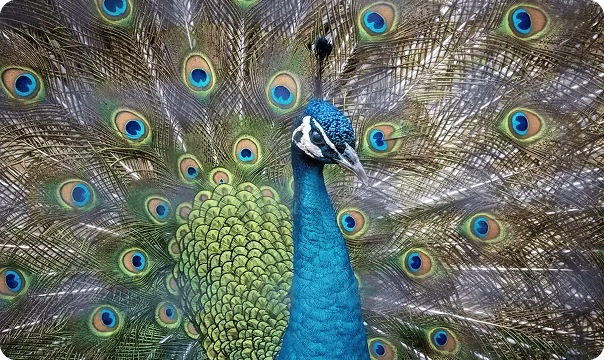
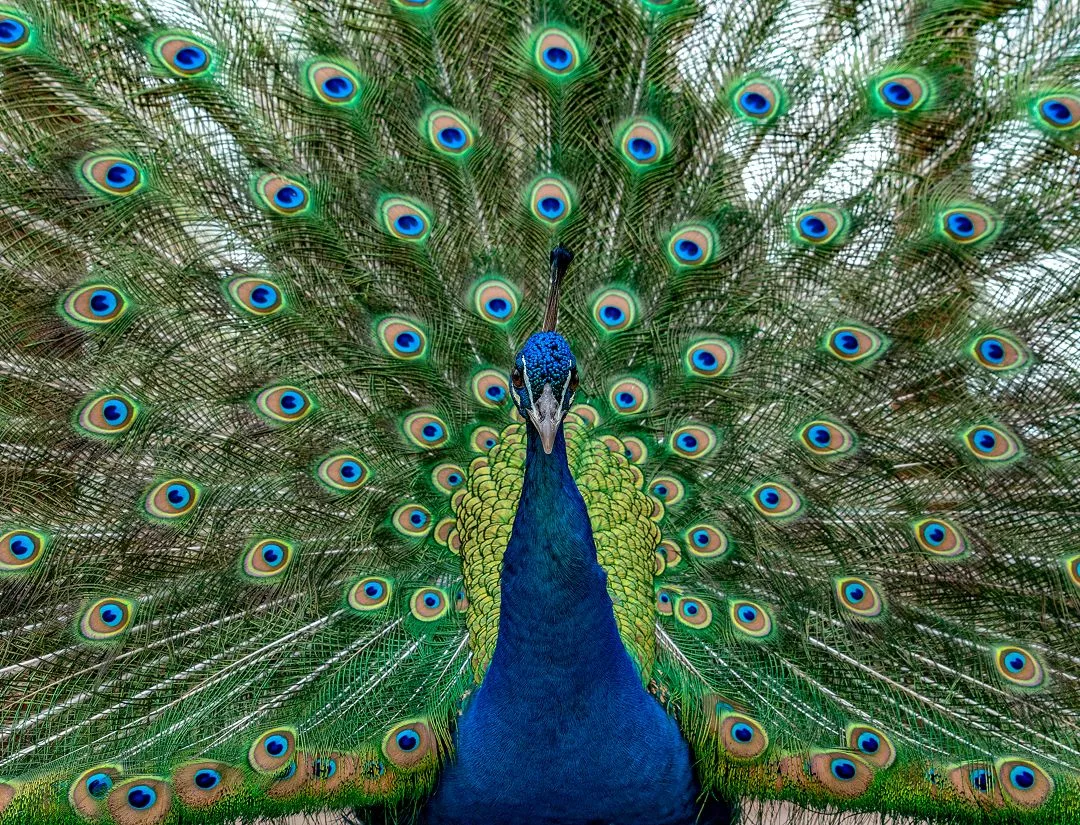
Male Indian Blue Peafowl, known as peacocks, are famous for their iridescent royal blue plumage and long decorative tail coverts, often called a train. These feathers can grow several feet long and are tipped with colorful eye spots in shades of blue, green, and bronze. During breeding season, males raise and fan these feathers to attract females. After the season ends, the long tail coverts are naturally shed. Females, called peahens, are much more subtly colored in shades of olive, gray, and brown, which helps them stay camouflaged while nesting. Both males and females have a crest of feathers on top of the head, and young birds, called peachicks, are yellow and brown.
Where They Live
Indian Blue Peafowl live in open areas near forests, including places with access to streams, villages, and agricultural land. They are native to India, Pakistan, and Sri Lanka, and they are also found in domestic and feral populations around the world.
What They Eat
Indian Blue Peafowl are omnivores. Their diet includes berries, fruits, grains, green plants, insects, small reptiles, and small mammals.
Life & Family
Male peafowl are territorial during breeding season and defend small display areas known as leks. Females may observe several males before choosing a mate. Peahens usually lay 3 to 12 eggs in a shallow nest hidden in vegetation and care for the chicks on their own after hatching. Peachicks are able to run and move around shortly after hatching, and males reach their full adult plumage by around 3 years old. Indian Blue Peafowl can live up to 30 years in human care.
Built To Be Seen
The peacock's famous train is one of the most recognizable displays in the bird world. Females often choose mates based on the size and condition of the display, including the number of eye spots. These elaborate feathers play an important role in courtship and are a major part of what makes this species so iconic.
Status
Least Concern