(Anas platyrhynchos domesticus)
Domestic Duck (Mallard)
Physical Description
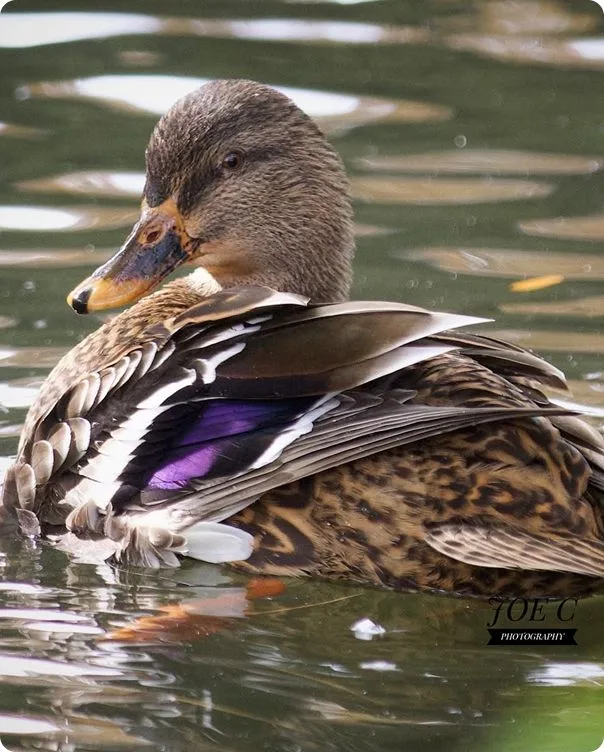
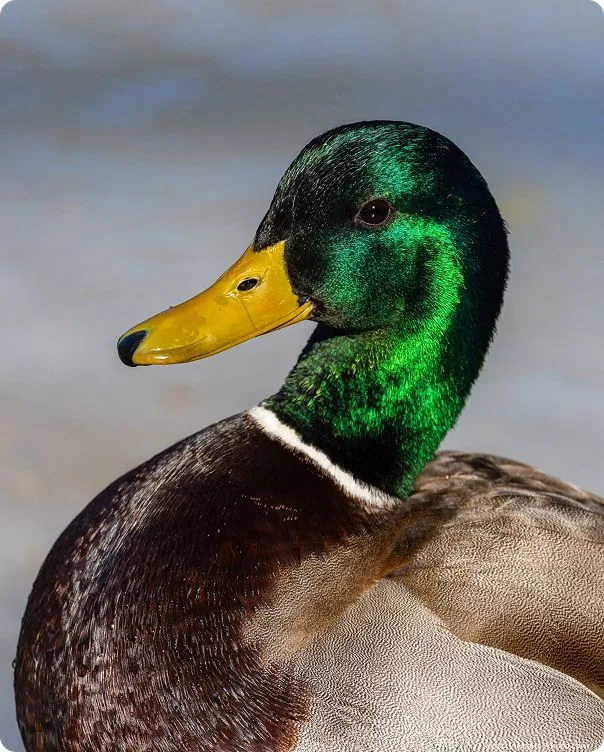
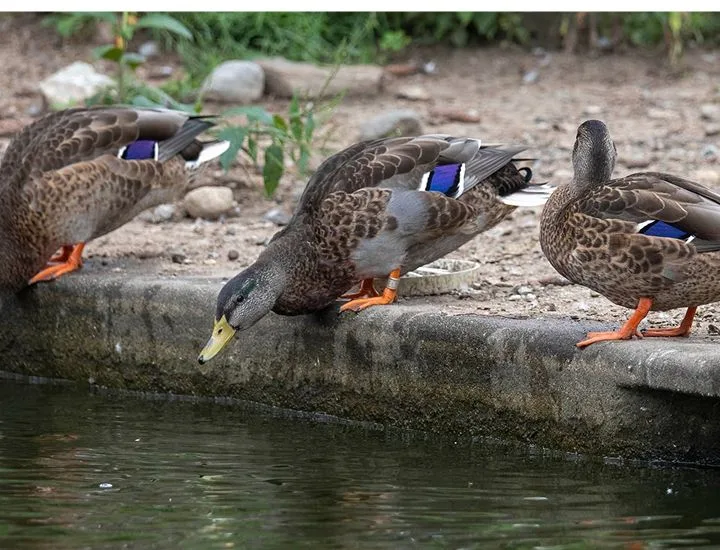
Mallard Ducks come in a variety of color patterns, especially in domesticated forms, but many still show the classic features of their wild relatives. Males often have a bright green head, brown chest, and lighter-colored body, while females are usually shades of tan and brown. Both can show a beautiful blue- purple patch, called a speculum, on the wings. They also have wide, flat bills for scooping up food and webbed feet that help them paddle through the water.
Where They Live
Mallard Ducks live in a wide range of wetland habitats, including ponds, marshes, streams, floodplains, estuaries, and seasonal wetlands. Domesticated Mallards can now be found in farms, parks, and public spaces around the world.
What They Eat
Mallard Ducks eat a mix of seeds, aquatic plants, insects, snails, grains, and freshwater shrimp.
Life & Family
Mallard Ducks are social birds and often gather in flocks for safety and companionship. They typically nest on dry land near water, though they may also nest in floating vegetation. They usually live around 5 to 10 years on average.
Wetland Life
Mallard Ducks are highly adaptable birds and are often one of the most recognizable waterfowl species in parks, ponds, and wetland habitats. Their comfort in both natural and human-shaped environments has helped them become one of the most familiar ducks in the world.
Status
As a domesticated species, Mallard Ducks are not assessed by the IUCN Red List. The wild Mallard is listed as Least Concern