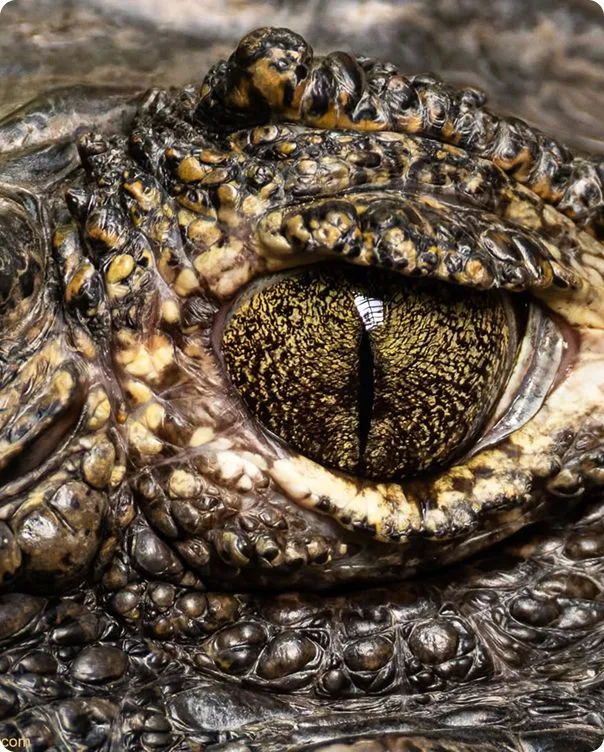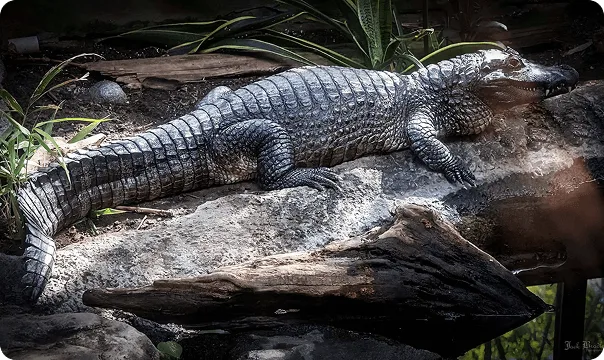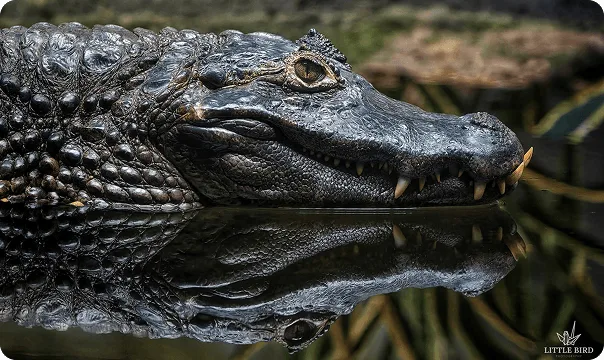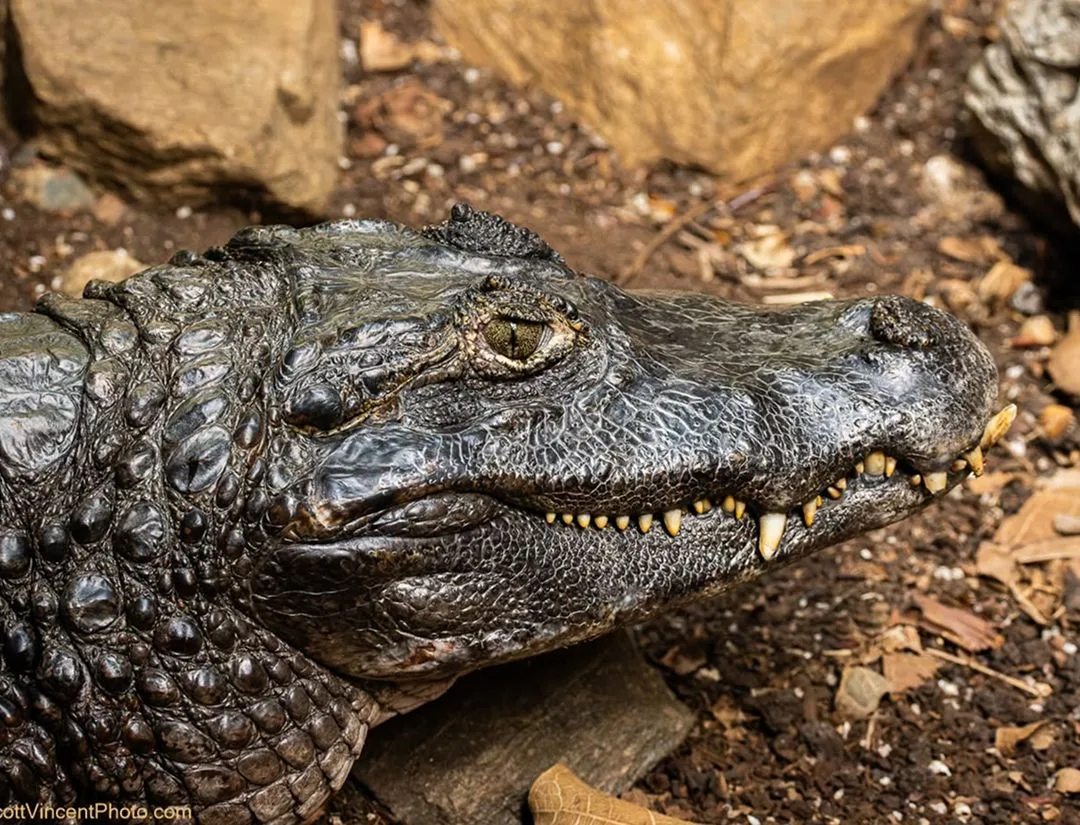
(Caiman yacare)
Yacare Caiman
Physical Description
Yacare caimans are brownish, medium-sized crocodilians that can grow up to 10 feet in length. While they may resemble American alligators at first glance, they have a more triangular snout and a noticeably toothier appearance. One of their most recognizable features is their visible lower teeth, which can often be seen even when the mouth is closed. This gives them a more rugged and distinctive profile than many other crocodilian species.
Where They Live
Yacare caimans live in freshwater habitats such as rivers, lakes, marshes, and wetlands. They are especially common in areas with floating mats of vegetation, which provide both cover and hunting opportunities. They are found in parts of South America, including northern Argentina, southern Brazil, southern Bolivia, and Paraguay.
What They Eat
Yacare caimans are carnivores. Their diet includes aquatic invertebrates such as snails, as well as fish, snakes, and other vertebrates. They are especially well adapted for feeding on hard-shelled prey and are known for their strong crushing jaws.
Life & Family
During the rainy season, female Yacare caimans build mound nests made of mud and rotting vegetation. Inside the nest, they lay anywhere from 21 to 38 eggs. Females often guard the nest during incubation, helping protect the eggs from predators. Once the young hatch, however, they are considered precocial, meaning they are relatively well developed and must largely fend for themselves from an early age. Their exact lifespan is not fully known, but Yacare caimans are estimated to live around 50 years on average.
Built to Crush Snails
Yacare caimans are sometimes called “Piranha Caimans,” not only because they may eat piranhas, but also because their visible teeth give them a similarly fierce look. One of their more specialized feeding behaviors involves searching through floating vegetation for aquatic snails. Their powerful jaws can crack open shells, and their strong stomach acids help break down the remaining shell fragments. This ability makes them especially effective hunters in wetland environments.
Status
Least Concern